

December 2025 Immigration Policy & Litigation Roundup: What Changed, Who’s Affected, and What to Do Next
Immigration policy shifted sharply in late 2025, and many of these changes do not feel real until they hit everyday life. A work permit renewal that used to remain in effect now risks a gap. An asylum case that seemed to be moving can suddenly stall. A visa interview that used to feel routine can turn into a deeper review. This article breaks down the most important updates from the past few weeks in plain language, with links inside the paragraphs so you can confirm each point as you read. This is general information, not legal advice. If your situation includes a deadline, detention, or a risk of removal, speak with a qualified immigration attorney or accredited representative.
A major shift involves Employment Authorization Documents (EADs). USCIS announced that DHS is ending the automatic extension of employment authorization, a change that affects people who relied on extra time while a renewal was pending (https://www.uscis.gov/newsroom/news-releases/dhs-ends-automatic-extension-of-employment-authorization). USCIS also issued a policy alert updating certain EAD validity periods, which can change how long some work permits are issued for moving forward (https://www.uscis.gov/sites/default/files/document/policy-manual-updates/20251204-EmploymentAuthorizationValidity.pdf). For those who want the regulatory language, DHS also posted the interim final rule through Regulations.gov (https://www.regulations.gov/document/USCIS-2025-0271-0001). The practical takeaway is that late renewals have become riskier, and processing delays are more likely to create real interruptions for workers and employers.
Asylum applicants may also see longer uncertainty. On December 2, 2025, USCIS issued Policy Memorandum PM-602-0192 directing a hold and review affecting pending asylum applications and also directing added review for certain pending benefit applications filed by individuals from designated “high-risk” countries described in the memo (https://www.uscis.gov/sites/default/files/document/policy-alerts/PM-602-0192-PendingApplicationsHighRiskCountries-20251202.pdf). The American Immigration Lawyers Association published a summary for practitioners that highlights the memo’s operational impact and the concerns being raised within the legal community (https://www.aila.org/library/uscis-pm-halts-all-asylum-applications-and-all-benefit-applications-from-high-risk-countries). For people with pending cases, the most important habit right now is staying reachable and organized, because long delays make missed notices and incomplete records even more costly.
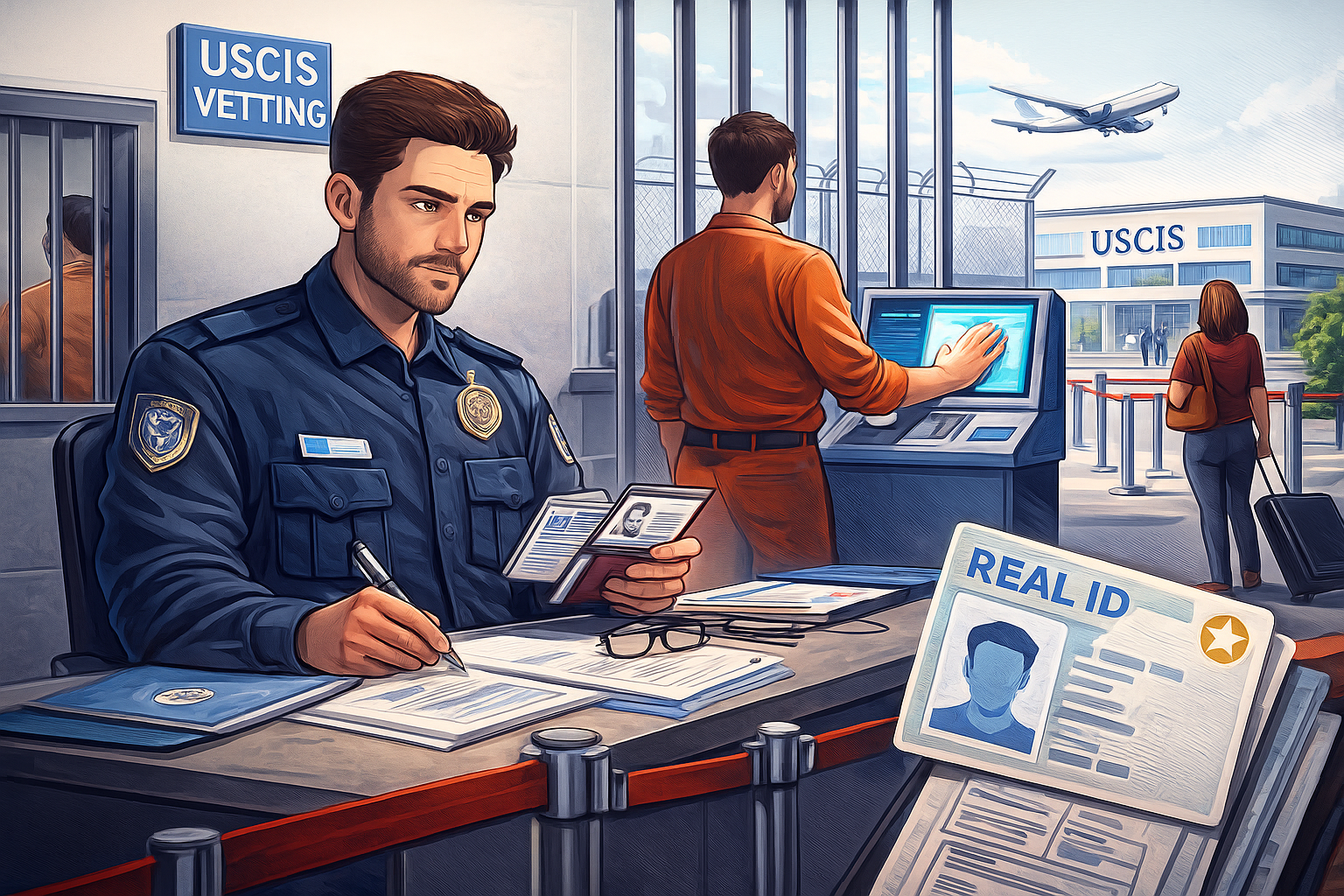
USCIS is also signaling increased scrutiny through a new screening initiative. On December 5, 2025, USCIS announced it established a new center in Atlanta to strengthen immigration screening and target fraud and national security concerns (https://www.uscis.gov/newsroom/news-releases/us-citizenship-and-immigration-services-establishes-new-center-to-strengthen-immigration-screening). This announcement fits within a broader federal posture toward intensified screening discussed in Executive Order 14161, published in the Federal Register (https://www.federalregister.gov/documents/2025/01/30/2025-02009/protecting-the-united-states-from-foreign-terrorists-and-other-national-security-and-public-safety). A business-focused explainer from Envoy Global also summarizes the launch and what it could mean for immigration processing timelines (https://www.envoyglobal.com/news-alert/uscis-launches-vetting-center-for-immigration-screening/). In real terms, this trend typically shows up as more follow-up questions, more documentation requests, and more time spent in review, especially when applications contain inconsistencies across old filings, records, or public information.
For detained individuals and families supporting them, USCIS also updated its approach to biometrics collection for people in custody. USCIS published a policy alert addressing “biometrics collection for aliens in custody” and laid out how collection and processing may occur for individuals who are detained (https://www.uscis.gov/sites/default/files/document/policy-manual-updates/20251205-BiometricsCollection.pdf). USCIS also issued a public alert summarizing the policy update (https://www.uscis.gov/newsroom/alerts/uscis-updates-policy-on-biometrics-for-detainees), and the broader framework for biometrics collection and security checks remains in the USCIS Policy Manual (https://www.uscis.gov/policy-manual/volume-1-part-c). This matters because biometrics steps are often required, and detention can make scheduling and communication difficult, particularly if someone is transferred between facilities. When compliance steps tighten, missed biometrics can carry serious consequences for a pending filing depending on the case posture.
Consular processing is tightening as well, especially for H-1B workers and their families. On December 3, 2025, the U.S. Department of State announced expanded screening and vetting for H-1B and dependent H-4 visa applicants, including review tied to an applicant’s online presence (https://travel.state.gov/content/travel/en/News/visas-news/announcement-of-expanded-screening-and-vetting-for-h-1b-and-dependent-h-4-visa-applicants.html). A legal alert from Gibney, Anthony & Flaherty describes the change as an expansion of mandatory online presence review and discusses the timing and practical implications for applicants and employers (https://www.gibney.com/alerts/state-department-expands-mandatory-online-presence-review-to-h-1b-h-4-visa-applicants-effective-december-15/). The most useful way to think about this is not fear, but consistency. If your filings say one thing and public-facing information suggests another, you should expect questions.
Courts are also reshaping enforcement and detention in real time. Multiple outlets reported that a federal judge in Washington, D.C. limited warrantless civil immigration arrests, a development that may affect how enforcement actions are carried out in the District (https://www.jurist.org/news/2025/12/us-federal-judge-blocks-warrantless-immigration-arrests/; https://51st.news/dc-warrantless-immigration-arrests/; https://www.axios.com/2025/12/03/warrantless-immigration-arrests-dc-beryl-howell-ruling). In Texas, increased enforcement and detention have fueled a rise in federal lawsuits and habeas petitions challenging detention, and the Texas Tribune’s reporting connects that surge to the realities families face when they try to fight detention through the courts (https://www.texastribune.org/2025/12/04/texas-immigrants-deportation-cases-habeas-corpus-detention/). These developments are location-specific, but they point to the same theme: immigration outcomes can depend on fast-moving litigation as much as on agency policy.
Two national issues are worth watching closely because they could reshape policy far beyond a single case. Reuters and the Associated Press reported that the Supreme Court will review the legality of Trump’s executive order connected to restricting birthright citizenship, a dispute that could produce a major decision depending on how the Court frames the constitutional questions (https://www.reuters.com/world/supreme-court-decide-legality-trump-move-limit-birthright-citizenship-2025-12-05/; https://apnews.com/article/873a45bc58de9e92773f554bf5bba9a0). Separately, DHS published a Federal Register notice terminating Syria’s TPS designation, which is the formal agency step that sets the stage for loss of protection without court intervention (https://www.federalregister.gov/documents/2025/09/22/2025-18322/termination-of-the-designation-of-syria-for-temporary-protected-status). The lawsuit challenging that termination is tracked publicly by the Civil Rights Litigation Clearinghouse under Doe v. Noem (https://clearinghouse.net/case/47070/), and the International Refugee Assistance Project has published background explaining what the case seeks to do (https://refugeerights.org/news-resources/dhalia-doe-v-noem-challenging-the-governments-termination-of-tps-for-syrians). In moments like this, it is especially important to follow primary sources and credible reporting, because timelines can change quickly when courts issue injunctions or stays.
Policy changes also show up in smaller, easily missed ways that still cause major disruption. USCIS updated fees tied to H.R. 1 and published an alert describing the change (https://www.uscis.gov/newsroom/alerts/uscis-updates-fees-based-on-hr-1). USCIS also announced steps to modernize fee payments (https://www.uscis.gov/newsroom/news-releases/uscis-to-modernize-fee-payments-with-electronic-funds) and later announced it would mandate electronic payments for applications (https://www.uscis.gov/newsroom/news-releases/uscis-to-mandate-electronic-payments-for-applications). USCIS publishes its fee schedule in Form G-1055, which is a useful reference when verifying the correct fee and avoiding rejections (https://www.uscis.gov/sites/default/files/document/forms/g-1055.pdf). These payment and fee details matter because filing errors can lead to rejections, and rejections can cascade into missed deadlines and loss of time that families cannot easily recover.
Finally, travel planning now requires more preparation for many people. TSA’s REAL ID page explains what identification is required for domestic flights and provides the official federal guidance that travelers should consult before heading to the airport (https://www.tsa.gov/real-id). For undocumented travelers, Immigrants Rising offers an accessible guide focused on practical safety planning for travel within the United States (https://immigrantsrising.org/resource/guide-for-undocumented-individuals-traveling-in-the-u-s/), and the National Immigration Law Center maintains a detailed FAQ that helps clarify what the REAL ID Act does and does not require (https://www.nilc.org/resources/real-id-act-frequently-asked-questions/). In a stricter enforcement environment, travel is less about guessing and more about knowing what is required and what risks exist.
If these updates feel overwhelming, focus on what you can control. Renew early when benefits expire, keep your documents consistent across every filing, save every notice, and seek help early if a situation becomes urgent. The common thread across these changes is that the system is offering less slack. People who plan ahead, stay organized, and confirm information through primary sources are better positioned to avoid preventable setbacks. If you need support with your situation, consider contacting a qualified immigration attorney or an accredited representative who can evaluate the facts of your case and advise on a strategy that aligns with today’s rules.